Webhook Media Processing
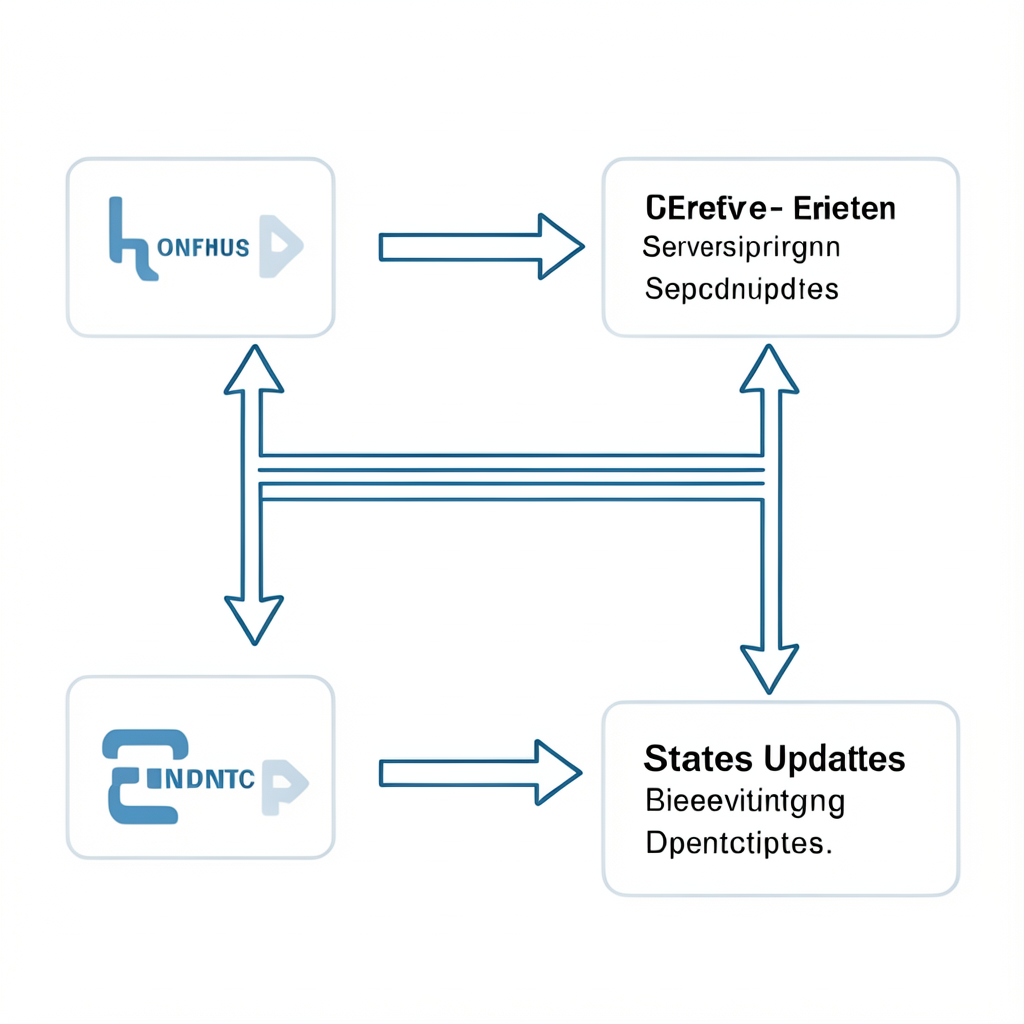
If your media workflow is asynchronous, webhook media processing is the difference between a reliable production pipeline and a brittle polling loop. Once imports run in the background, your app needs a dependable way to know when jobs complete, fail, or need retry logic.
Importly supports webhook-driven completion so your backend can react to ingestion events in real time. Instead of guessing with fixed delays, your system receives explicit status updates and can move each job through a clear, auditable lifecycle.
Why webhooks matter for media workflows
Media processing almost never completes instantly in production. Files vary in size, source hosts vary in behavior, and network conditions can fluctuate. Webhooks let you:
- respond as soon as work is complete
- avoid wasteful polling traffic
- keep state transitions deterministic
- trigger downstream automation immediately
This improves reliability and user experience at the same time.
Typical webhook architecture
A robust setup usually looks like this:
- Your app submits an import job
- Job enters
queued/processing - Importly sends webhook events on state change
- Your backend verifies signature + idempotency
- Your DB updates job status (
completed/failed) - Downstream workflows run from that trusted event
This event-first architecture is easier to monitor and scale than polling loops.
Example import request with webhook callback
bash
Implementation checklist (production-safe)
Before shipping webhook processing live, ensure you have:
- signature verification for incoming callback authenticity
- idempotent handlers to prevent duplicate processing
- replay-safe architecture for retried deliveries
- structured logs by event ID and job ID
- dead-letter strategy for repeated failures
These controls prevent hard-to-debug race conditions and duplicate side effects.
Common mistakes to avoid
Most webhook failures come from avoidable implementation issues:
- trusting callbacks without verification
- mutating state non-idempotently
- treating webhook delivery as exactly-once
- no retry backoff on your own downstream API calls
- no visibility into failed callback processing
If you assume at-least-once delivery and design for replay safety, your system stays stable.
Polling vs webhook: what to use?
Use webhooks as the primary signal and polling as a fallback.
- Webhooks: efficient, immediate, event-driven
- Polling: useful for resiliency and reconciliation checks
A hybrid model is often best: webhook-first for normal flow, periodic polling to catch rare missed events.
How this helps no-code automation
For Zapier/Make/n8n, webhooks are especially valuable:
- trigger import from one step
- wait for completion callback
- branch next steps by status
- continue with indexing, moderation, publishing, or notifications
This avoids fragile “wait N seconds” patterns that break under variable processing times.
SEO + activation strategy
People searching “webhook media processing” usually need practical implementation guidance now. To convert this intent:
- show a realistic request payload
- explain event handling and idempotency clearly
- include reliability checklist
- link to endpoint and webhook docs + API key CTA
This combination turns search traffic into successful first integrations.
FAQ
What is webhook media processing?
An event-driven approach where your app receives callbacks for async media job status changes and reacts programmatically.
Do I still need polling?
Use polling as fallback/reconciliation, not as your primary completion mechanism.
What breaks most webhook implementations?
Lack of signature verification, no idempotency, and missing retry/dead-letter handling.